Congratulations! You’ve made it through debt review – that’s a huge achievement. But here’s the thing: staying out of debt and protecting your credit score requires just as much effort as getting out of it in the first place.
If you’re worried about falling back into financial trouble or getting blacklisted again, you’re not alone. Many South Africans struggle with this exact concern. Fortunately for you , this guide will help you avoid being blacklisted after debt review.
What Does “Blacklisted” Actually Mean in South Africa?
Let’s clear up a common misconception: there’s no official “blacklist” in South Africa. What people call being “blacklisted” is actually having a poor credit record with negative information like:
- Missed or late payments
- Defaults on loans or accounts
- Court judgments against you
- Accounts in arrears
When you’re under debt review, a flag appears on your credit report showing that you’re working with a debt counsellor to pay off your debts. This isn’t necessarily bad – it shows you’re taking responsibility – but it does restrict your ability to get new credit until you’ve completed the process.
If you’re wondering whether you’re still under debt review, learn how to check your debt review status and what it means for your financial future.
7 Essential Steps to Stay Out of Debt After Debt Review
1. Create a Budget You Can Actually Stick To
This is non-negotiable. You need to know exactly where every rand is going each month.
Here’s how to do it:
- List all your monthly income sources
- Track every expense for at least one month
- Categorize your spending (groceries, transport, utilities, entertainment)
- Identify areas where you can cut back
- Set realistic spending limits for each category
Use budgeting apps or simple spreadsheets – whatever works for you. The key is consistency. Check your budget weekly at first, then monthly once you’ve got the hang of it.
2. Build Your Emergency Fund (This Is Critical!)
Life happens. Your car breaks down. Your geyser bursts. You get sick. Without an emergency fund, these unexpected expenses force you back into debt.
Start small if you need to:
- Aim for R500-R1,000 in your first month
- Build up to one month’s expenses
- Eventually reach 3-6 months of living expenses
Keep this money in a separate savings account that you can access quickly but won’t touch for everyday spending.

3. Say No to New Debt (Yes, Really)
After completing debt review, you might get credit offers. Resist the temptation! Your first priority is staying debt-free.
Smart credit rules:
- Avoid store cards and credit cards initially
- If you must borrow, ensure it’s for essentials only
- Make sure you can pay it back within 3 months
- Use cash or debit cards whenever possible
Remember: just because you qualify for credit doesn’t mean you should take it.
4. Check Your Credit Report Regularly
You’re entitled to one free credit report per year from each credit bureau. Use it!
Get your free credit report from:
Review it carefully for:
- Errors or incorrect information
- Accounts you don’t recognize
- Outdated negative information
- Your current credit score

If you spot mistakes, dispute them immediately with the credit bureau. At Consumer Debt Management, we can also help you understand your credit report and identify issues that need addressing.
5. Pay Everything On Time, Every Time
Your payment history is the biggest factor in your credit score. Late payments can undo months of hard work.
Make it easier:
- Set up debit orders for fixed expenses
- Create calendar reminders for bill due dates
- Pay bills as soon as you get paid
- Keep a buffer in your account to avoid bounced payments
Even one late payment can impact your credit score, so consistency is everything.
6. Don’t Apply for Credit Unless Absolutely Necessary
Every time you apply for credit, it creates a “hard inquiry” on your credit report. Too many inquiries can lower your credit score and make you look desperate for credit.
Before applying:
- Research whether you meet the requirements
- Only apply when you have a genuine need
- Space out applications by at least 6 months
- Consider pre-qualification options that don’t affect your score
7. Get Professional Help When You Need It
There’s no shame in asking for help. Our team at Consumer Debt Management specializes in debt counseling support and can provide personalized guidance based on your specific situation.
We can help you with:
- Creating sustainable financial plans
- Understanding your credit report
- Making smart money decisions
- Avoiding common financial pitfalls

How to Rebuild Your Credit Score After Debt Review
Step 1: Get Your Clearance Certificate
Once you’ve paid off all debts under debt review, your debt counsellor issues a clearance certificate. This is crucial – it’s your official proof that you’ve completed the program.
Make sure this certificate gets sent to:
- All credit bureaus
- Your creditors
- The National Credit Regulator (NCR)
The debt review flag should be removed from your credit report within 7-21 business days. If you’re experiencing delays, our debt flag removal service can help expedite this process and ensure all bureaus update your records correctly.
Step 2: Start Small with Credit
After clearing debt review, you might want to rebuild your credit history. The key word here is “slowly.”
Consider:
- A small store account that you pay off monthly
- A secured credit card with a low limit
- A cellphone contract (if you don’t have one)
Use these sparingly and pay them off in full each month. This shows lenders you can manage credit responsibly.
Step 3: Maintain Good Financial Habits
Building good credit is like building muscle – it takes time and consistency. Keep doing the basics:
- Pay on time
- Keep credit usage low (under 30% of your limit)
- Don’t close old accounts suddenly
- Monitor your credit regularly
Our credit rehabilitation program provides strategic, personalized solutions to rebuild your financial credibility faster.
Red Flags That You’re Heading Back to Trouble
Watch out for these warning signs:
⚠️ You’re consistently paying bills late – This is usually the first sign things are slipping.
⚠️ You’re living paycheck to paycheck with no buffer – One emergency could push you back into debt.
⚠️ You’re using credit for groceries or basic expenses – Credit should never fund your day-to-day living.
⚠️ You’re avoiding looking at your bank statements – Financial avoidance is a danger sign.
⚠️ You have no idea where your money goes each month – Without awareness, you can’t make good decisions.
⚠️ You’re borrowing from friends or family regularly – This indicates your income isn’t covering your expenses.
If you notice any of these signs, take action immediately. Don’t wait until you’re drowning again. Contact our team for a free financial assessment.
Understanding Your Credit Score in South Africa
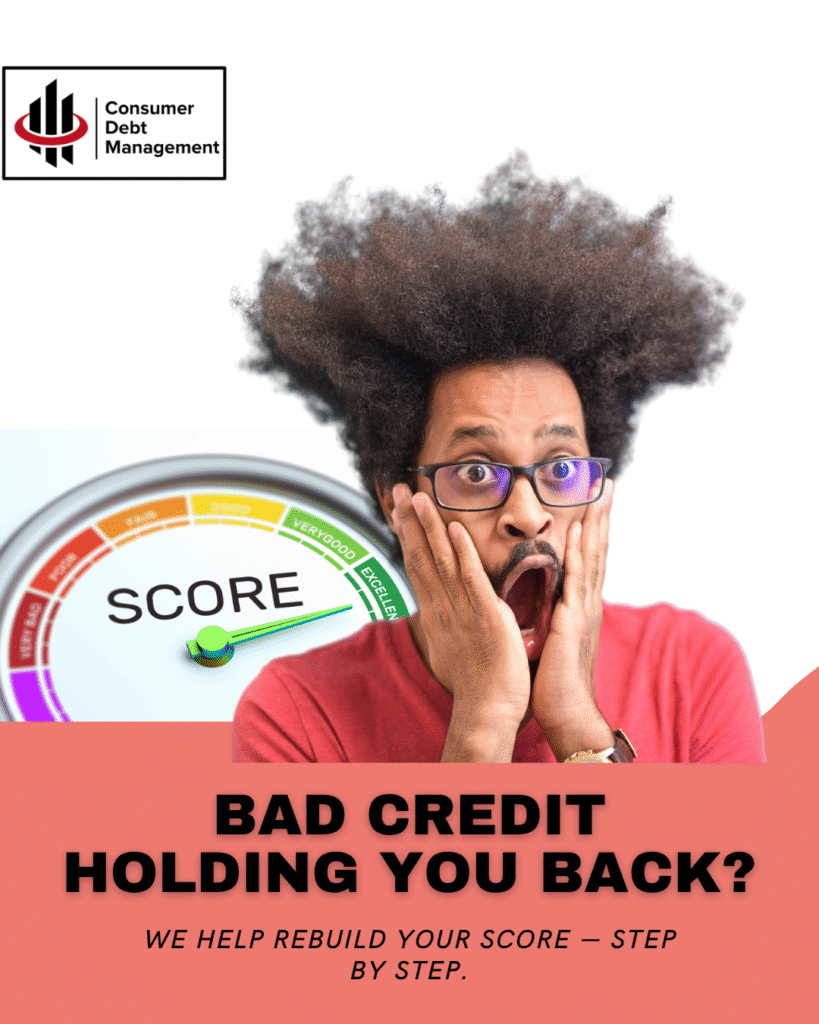
Your credit score typically ranges from 0-999, with higher scores indicating better creditworthiness.
Credit score ranges generally look like this:
- 767-999: Excellent
- 681-766: Good
- 614-680: Favorable
- 583-613: Average
- 487-582: Below Average
- 0-486: Poor
After debt review, your score will likely be in the lower ranges initially. That’s okay. With consistent good behavior, you can improve it over time – usually within 12-24 months.

Understanding what happens to your credit score after debt review can help you set realistic expectations and create an effective recovery plan.
Common Mistakes to Avoid After Debt Review
Mistake #1: Taking on new debt too quickly – Give yourself at least 6-12 months of financial stability before considering any new credit.
Mistake #2: Not following up on your clearance certificate – Some debt counsellors drop the ball here. Follow up yourself to ensure the flag is removed.
Mistake #3: Assuming your debt review is automatically removed – You need to actively ensure all credit bureaus update your status.

Mistake #4: Making only minimum payments – Once you’re out of debt review, pay more than the minimum to reduce interest and build good credit faster.
Mistake #5: Not having financial goals – Without goals, it’s easy to slip back into old habits.
Mistake #6: Ignoring default judgments – If you have outstanding judgments, they’ll continue to damage your credit. Our default judgment resolution service can help you resolve these efficiently.
Your Action Plan: First 90 Days After Debt Review
Month 1:
- Obtain your clearance certificate
- Check that all credit bureaus have updated your status
- Set up a realistic budget
- Start your emergency fund with whatever you can afford
Month 2:
- Get your free credit reports from all three bureaus
- Review for errors and dispute any issues
- Set up automatic payments for all bills
- Continue building your emergency fund
Month 3:
- Review your budget and adjust as needed
- Check your savings progress
- Book a session with a financial advisor
- Celebrate your progress!
Dealing With Outstanding Judgments
One of the biggest obstacles to financial recovery is having default judgments on your record. These legal marks can prevent you from:
- Opening new bank accounts
- Renting property
- Getting approved for vehicle finance
- Securing employment in certain sectors
If you have judgments against you, don’t panic. They can be resolved. The process involves:
- Settling the outstanding debt
- Obtaining a consent to judgment order
- Applying for rescission of the judgment
- Ensuring all credit bureaus update your records

This process can be complex and time-consuming, but Consumer Debt Management has years of experience helping clients navigate default judgment resolution successfully.
Why Professional Support Makes a Difference
At Consumer Debt Management, we’ve helped thousands of South Africans rebuild their financial lives after debt review. With 15 years of experience and a customer-centric approach, we understand the challenges you’re facing.
Our services include:
- Debt Flag Removal – Eliminate debt review flags quickly and correctly
- Credit Rehabilitation – Strategic solutions to improve your credit score
- Default Judgment Resolution – Clear legal judgments from your record
- Debt Counseling Support – Ongoing guidance for lasting financial stability
We believe in transparency, personalized solutions, and empowering you to take control of your financial future.
Frequently Asked Questions
How long does it take to remove a debt review flag? Once your clearance certificate is issued, it should take 7-21 business days for credit bureaus to update your records. If it’s taking longer, professional assistance can help speed up the process.
Can I get credit immediately after debt review? Technically yes, but it’s not recommended. Give yourself 6-12 months to establish good financial habits and rebuild your emergency fund first.
Will my credit score automatically improve after debt review? No, you need to actively work on rebuilding your credit through timely payments, responsible credit use, and addressing any negative items on your report.
What if I have judgments against me? Judgments need to be resolved separately through a legal process. Once settled, they can be removed from your credit record.
How often should I check my credit report? At minimum, check it once every 3-4 months. After major changes (like completing debt review), check monthly to ensure updates are reflected correctly.
What’s the fastest way to improve my credit score? Pay all bills on time, keep credit utilization below 30%, dispute any errors on your credit report, and maintain a diverse mix of credit accounts (used responsibly).
Final Thoughts: You’ve Got This
Coming through debt review shows incredible strength and determination. You’ve already done the hard part – now it’s about maintaining those good habits.
Remember, financial freedom isn’t about being perfect. It’s about being consistent, making informed decisions, and asking for help when you need it.
Your credit score will improve. Your savings will grow. Your financial stress will decrease. But it all starts with the daily choices you make with your money.
Take the Next Step Toward Financial Freedom
Don’t navigate your post-debt review journey alone. At Consumer Debt Management, we’re here to support you every step of the way with honest, transparent solutions tailored to your unique situation.

Ready to take control of your financial future?
Contact us today for a free consultation and discover how we can help you achieve lasting financial stability.
Helpful Resources
National Credit Regulator (NCR) – The official regulatory body for credit in South Africa. They oversee debt counsellors and credit providers. Visit NCR
Free Credit Reports:
Related Articles:
- How to Check If You’re Under Debt Review
- What Happens to Your Credit Score After Debt Review
- Blacklisted? How to Clean Your Name in 2025
Have you successfully navigated life after debt review? What strategies worked best for you? Share your experience in the comments below – your story could help someone else on their journey to financial freedom.
No responses yet